
Beyond the Benchmark Hype: The True Enterprise Appeal
When Anthropic releases a new version of Claude-whether Sonnet or Opus-the public conversation inevitably defaults to benchmark battles against OpenAI's GPT models. But inside Fortune 500 engineering departments and regulated enterprise teams, Claude has quietly won market share for architectural reasons rarely covered in viral social media threads.
Claude's design philosophy fundamentally diverges from the consumer-first chatbot ecosystem. Instead of prioritizing conversational charm or rapid-fire chat responses, Anthropic engineered Claude from inception around Constitutional AI, deterministic reasoning, and developer-centric workflows.
1. Constitutional AI: Safety That Doesn't Cripple Utility
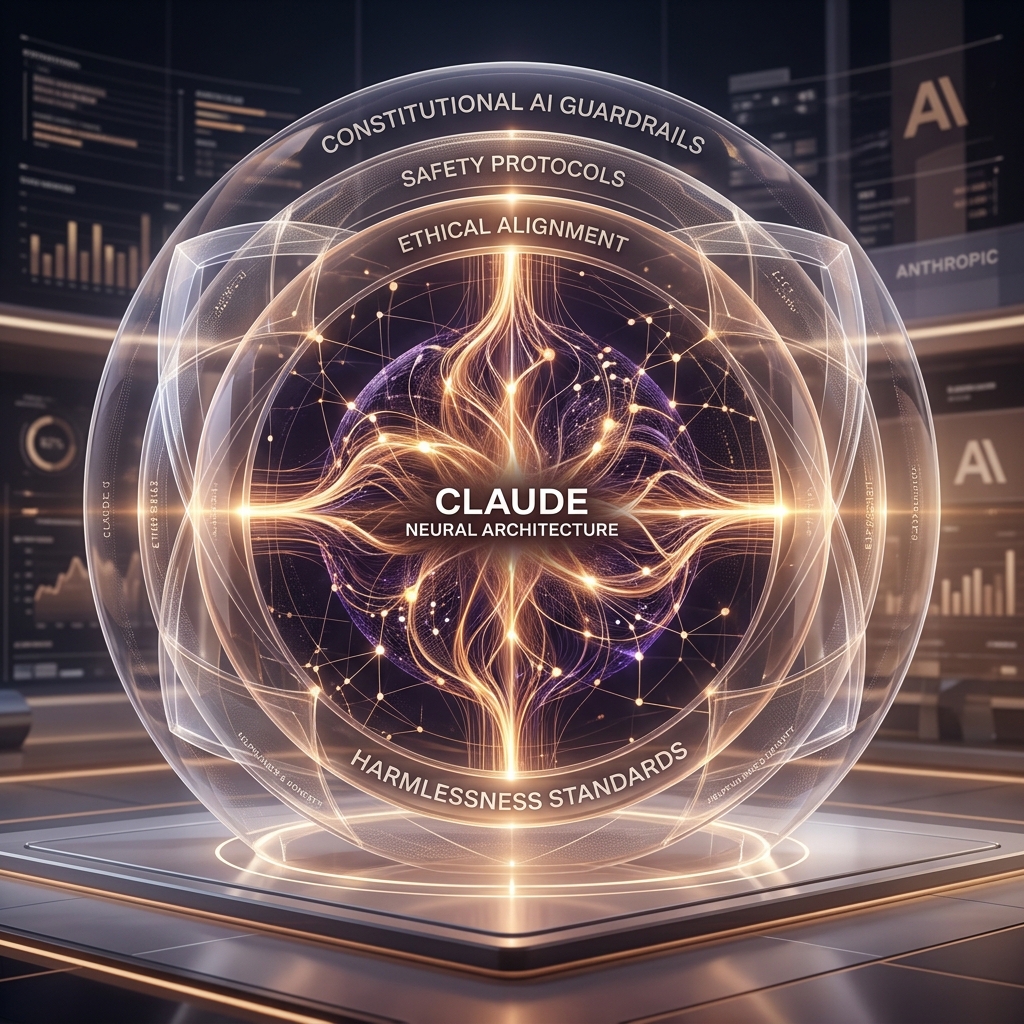
Traditional Reinforcement Learning from Human Feedback (RLHF) often creates a frustrating paradox: models either hallucinate recklessly or become overly guarded, refusing benign enterprise requests due to shallow keyword matching. Claude's Constitutional AI uses a explicit set of guiding ethical principles applied during training, enabling the model to self-critique and align its outputs without degrading analytical nuance.
- Reduced Sycophancy: Claude resists the urge to flatter or validate flawed user premises, directly highlighting logic bugs in enterprise workflows.
- Predictable Guardrails: Compliance teams in banking, legal, and healthcare can configure transparent boundary policies rather than guessing model behavior.
- Resistance to Prompt Injections: Multi-layer safety training offers robust defense against adversarial jailbreaks in production pipelines.

2. Context Caching and Operational Unit Economics
One of Claude's most potent enterprise differentiators is context caching. In large-scale agentic systems, sending large repository codebases, 10-K financial reports, or comprehensive documentation sets with every prompt query historically resulted in astronomical token bills and high latency.
By enabling prompts with up to a 200k+ token window to be cached in memory with up to a 90% discount on cache hits, Claude dramatically slashes the marginal inference cost of continuous enterprise agents. For organizations running continuous code analysis or automated legal review, this shifts unit economics from cost-prohibitive to highly accretive.
3. Coding and Complex Multi-Agent Orchestration
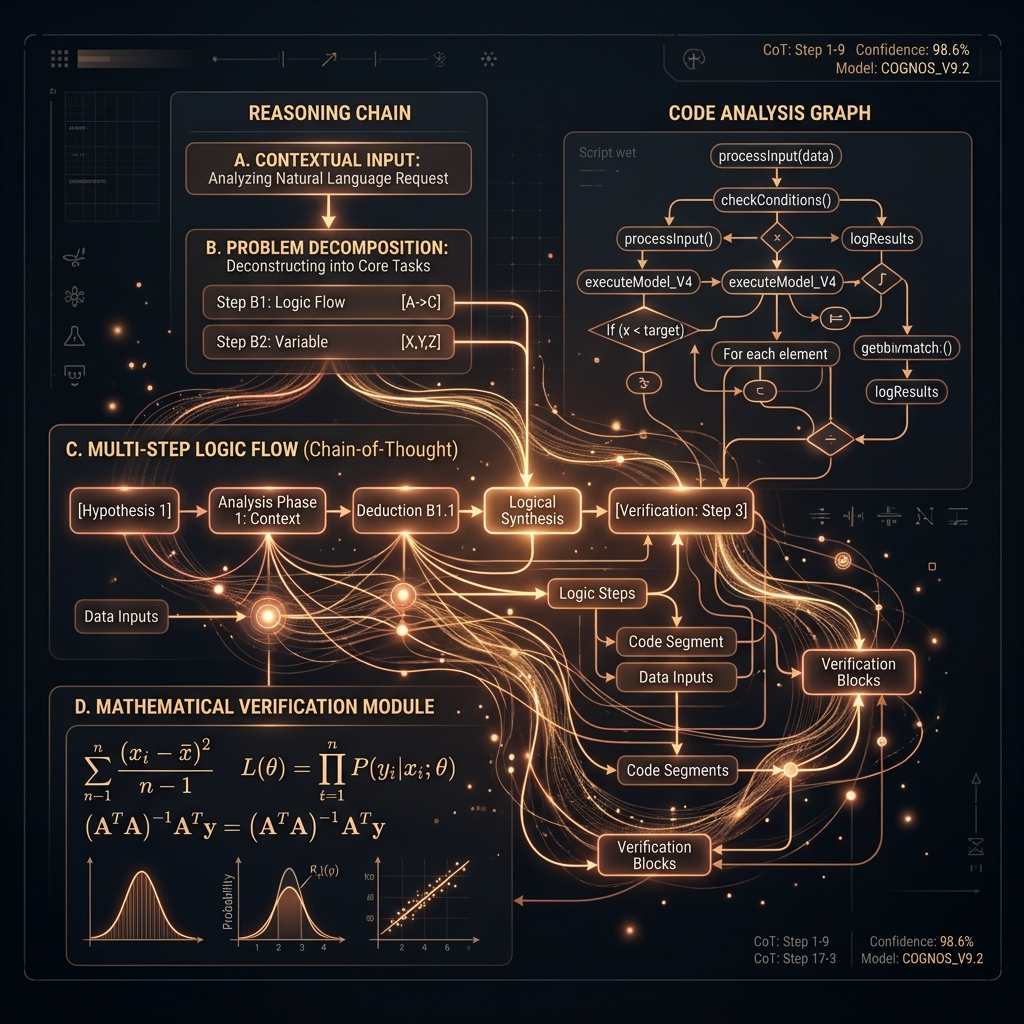
Developer surveys consistently show Claude Sonnet leading production coding benchmarks, not merely on synthetic test cases, but across massive real-world refactors. Claude's strength lies in adhering meticulously to complex system prompts, respecting project conventions, and producing clean, drop-in replacement diffs without truncating code or dropping context.
The Bottom Line for Technology Leaders
Claude isn't just an alternative search interface or a conversational assistant-it is built as foundational infrastructure for autonomous agentic workflows. For enterprise teams building production AI systems today, Anthropic's focus on predictability, safety alignment, and developer ergonomics makes Claude one of the most reliable pillars in the modern AI tech stack.